
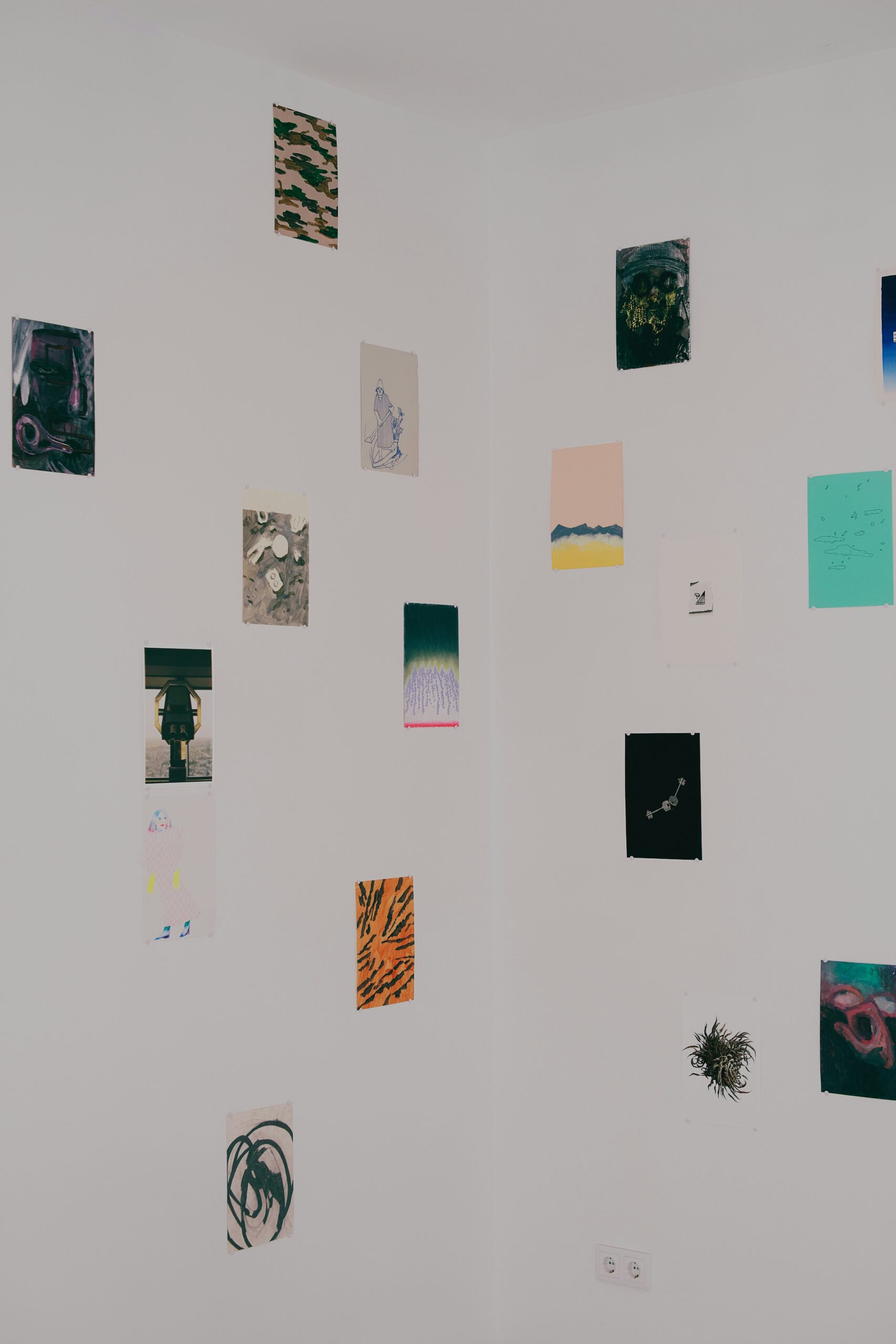
Understanding how small galleries find emerging artists changes the way you think about visibility. When people imagine how galleries discover artists, a certain picture tends to come to mind — a well-connected gallerist sweeping through an art fair, spotting talent across a crowded booth. That happens. But for small galleries, how they find emerging artists is quieter, more personal, and a lot more grounded in everyday observation. Small galleries rarely have dedicated curators or research teams. It’s often one gallerist, maybe a small staff, handling everything from exhibition planning to artist discovery. When you know how small galleries find emerging artists, you start to see more clearly where you need to be and how you need to show up.

How Small Galleries Find Emerging Artists — 5 Main Discovery Channels
Openings and Exhibition Spaces
This is one of the most commonly cited paths in how small galleries find emerging artists. A gallerist walks into another gallery’s opening or a group show, and something catches their eye — a work, a sensibility, a way of using material that they hadn’t encountered before.
Gallerists move through the art world constantly — art fairs, openings, pop-up exhibitions, open studios. New artists surface through this kind of ongoing looking, and there’s a reason for it: seeing work in person is a completely different experience from seeing it in a photograph. Gallerists want to feel the density and energy of a piece standing in front of it. No matter where you show — regardless of scale or prestige — the quality of your work matters. It’s more common than you’d think for a gallerist to notice someone at a small group show that seemed like it wouldn’t matter.
Instagram and Online Platforms
Instagram has become one of the most significant discovery channels in how small galleries find emerging artists, especially since the pandemic normalized finding artists online. Gallerists scroll through feeds, explore hashtags, and follow threads from one artist’s account to another’s. A single post that lands well can open a door.
What matters here isn’t follower count. Gallerists looking at an artist’s account are paying attention to consistency and seriousness — whether the work has a clear direction, whether the artist engages with their own practice thoughtfully. A mix of process documentation, finished work, and the occasional glimpse of how the artist thinks tends to make a much stronger impression than polished images alone.
Platforms like Artsy and Saatchi Art are also spaces that gallerists browse regularly. Keeping an online portfolio current and well-presented is a low-effort way to stay discoverable.
Recommendations From Other Artists
The art world is smaller than it looks. Gallerists frequently hear about new artists through the artists they already work with — a casual mention, an introduction at an opening, a name that keeps coming up in conversation. “There’s an artist working near my studio whose work I think you’d respond to.” That kind of recommendation, coming from someone a gallerist already trusts, carries real weight.
For artists, this is a reminder that the relationships you build with peers matter beyond friendship. Supporting each other’s work, showing up for each other’s openings, making genuine introductions — these things circulate in ways that create opportunities. In the art world, solidarity tends to open more doors than competition.
Residencies and Open Studios
Residency programs are a meaningful point of contact in how small galleries find emerging artists. Many gallerists make a point of attending open studio events and final exhibitions at residencies — it’s an efficient way to see multiple artists’ work in context, and it offers something a gallery visit can’t: the chance to see where and how an artist actually works.
Residencies are concentrated time for making work, but they’re also a moment of heightened visibility within the art community. Taking the open studio seriously — having the work well-presented, being prepared to talk about it — can put you in front of exactly the people you’d want to meet.
Art Fairs and Group Exhibitions
Small gallerists don’t only attend art fairs to run their own booths. They walk the fair as researchers, moving through other galleries’ presentations, looking for artists they haven’t encountered before. Sections of major fairs dedicated to emerging work — like Frieze’s Focus section or Art Basel’s Statements — tend to draw particular attention from smaller galleries scouting new talent.
Group exhibitions work similarly. When one artist’s work stands out clearly within a shared context, it’s not uncommon for a gallerist to reach out afterward. The group show format, paradoxically, can make individual voices easier to hear.
What Gallerists Are Actually Looking for in Emerging Artists
Work quality is the baseline. Beyond that, there are other things gallerists consistently pay attention to when deciding how small galleries find emerging artists worth pursuing.
A developing body of work: One or two exceptional pieces are less compelling than an artist whose practice is clearly evolving. Gallery relationships aren’t short-term. Gallerists are thinking about whether they can grow alongside an artist over time.
How the artist carries themselves: Seriousness about the work, the way an artist engages with peers and gallerists, how they handle themselves in the art community. These things are noticed, and they matter more than many artists realize.
Alignment with the gallery’s direction: Every gallery has a particular sensibility. Strong work that doesn’t fit a gallery’s direction isn’t going to lead anywhere — and that’s not a reflection of quality. It’s a question of fit. Knowing which galleries are actually in conversation with your work saves everyone time.
Online presence: When a gallerist becomes curious about an artist, the first thing they do is search for them online. A website, an Instagram, an online portfolio — these need to be current, coherent, and representative of where the work actually is right now.
How Artists Can Use This to Get Found
Understanding how small galleries find emerging artists makes it easier to decide where your energy is worth spending. The discovery channels gallerists use most — openings, Instagram, artist recommendations, residencies, and group shows — all point toward the same set of practical priorities.
Show your work whenever the opportunity comes, regardless of scale, and show it well. Keep your online portfolio and social media updated consistently. Build genuine relationships with other artists — not for networking’s sake, but because the art world runs on trust and mutual attention. Pursue residencies and group shows as seriously as solo opportunities.
The most common way a small gallery finds an emerging artist is actually the simplest one: they remember the artist who keeps making work and keeps putting it in front of people. Not the one who made a big impression once, but the one who’s been quietly, consistently building something real. That kind of accumulated presence is the most reliable way to be found.
What to Do Once a Gallery Shows Interest
When a small gallery reaches out after noticing your work, how you respond matters as much as the work itself. A prompt, professional reply that demonstrates genuine familiarity with the gallery’s program makes a strong first impression. Research the gallery before responding — look at their recent exhibitions, understand their direction, and make it clear that the interest is mutual.
Have your materials ready. An updated CV, a clear artist statement, and a well-organized portfolio of recent work should be easy to share at short notice. Gallerists who reach out are often moving through a list of possibilities — being prepared to respond quickly and professionally keeps you in the conversation.
If the conversation moves toward a formal relationship, understanding what that involves — commission structures, consignment terms, exhibition expectations — is essential before anything is agreed. The process of how small galleries find emerging artists is only the beginning. What comes next requires its own preparation.

Frequently Asked Questions About How Small Galleries Find Emerging Artists
How do small galleries discover new artists?
Small galleries find emerging artists primarily through openings and group exhibitions, Instagram and online platforms, recommendations from artists they already work with, residency open studios, and art fairs. The process is more relational and community-based than most artists realize — consistent visibility across multiple channels tends to be more effective than a single high-profile submission.
Does Instagram actually help artists get found by galleries?
Yes, significantly. Instagram is one of the primary tools gallerists use to discover new artists, particularly since the pandemic normalized online discovery. What matters isn’t follower count but consistency, direction, and the quality of how the work is presented. A coherent account that documents an evolving practice tends to attract more serious attention than one focused on reach.
Should artists cold-submit to small galleries?
Cold submissions can work, but they’re most effective when they demonstrate genuine familiarity with the gallery’s program. Research the gallery thoroughly before reaching out — reference specific exhibitions, explain why your work fits their direction, and keep the submission concise and professional. Generic submissions rarely land well.
How important are residencies for getting gallery attention?
Residencies are one of the more reliable ways to get in front of gallerists, particularly through open studio events. Many gallerists attend residency exhibitions specifically to scout new work. Beyond the visibility, the context a residency provides — concentrated time, a defined body of work, a specific community — can make an artist’s practice more legible and compelling to a gallerist evaluating them for the first time.
What do small galleries look for before approaching an emerging artist?
Beyond work quality, small galleries pay attention to the consistency and direction of an artist’s practice, their professionalism in how they present and talk about their work, their engagement with the broader art community, and the fit between their work and the gallery’s own curatorial direction. An artist whose practice is clearly evolving and who carries themselves seriously tends to be more compelling than one with impressive individual pieces but no visible through-line.
Further Reading
If you’re thinking about how to approach a gallery once you’ve identified one that fits, this guide on how artists can approach galleries professionally covers the practical steps. For a closer look at what newer galleries specifically are looking for, this overview of what new galleries look for in artists goes deeper into the decision-making process from the gallery’s side.