
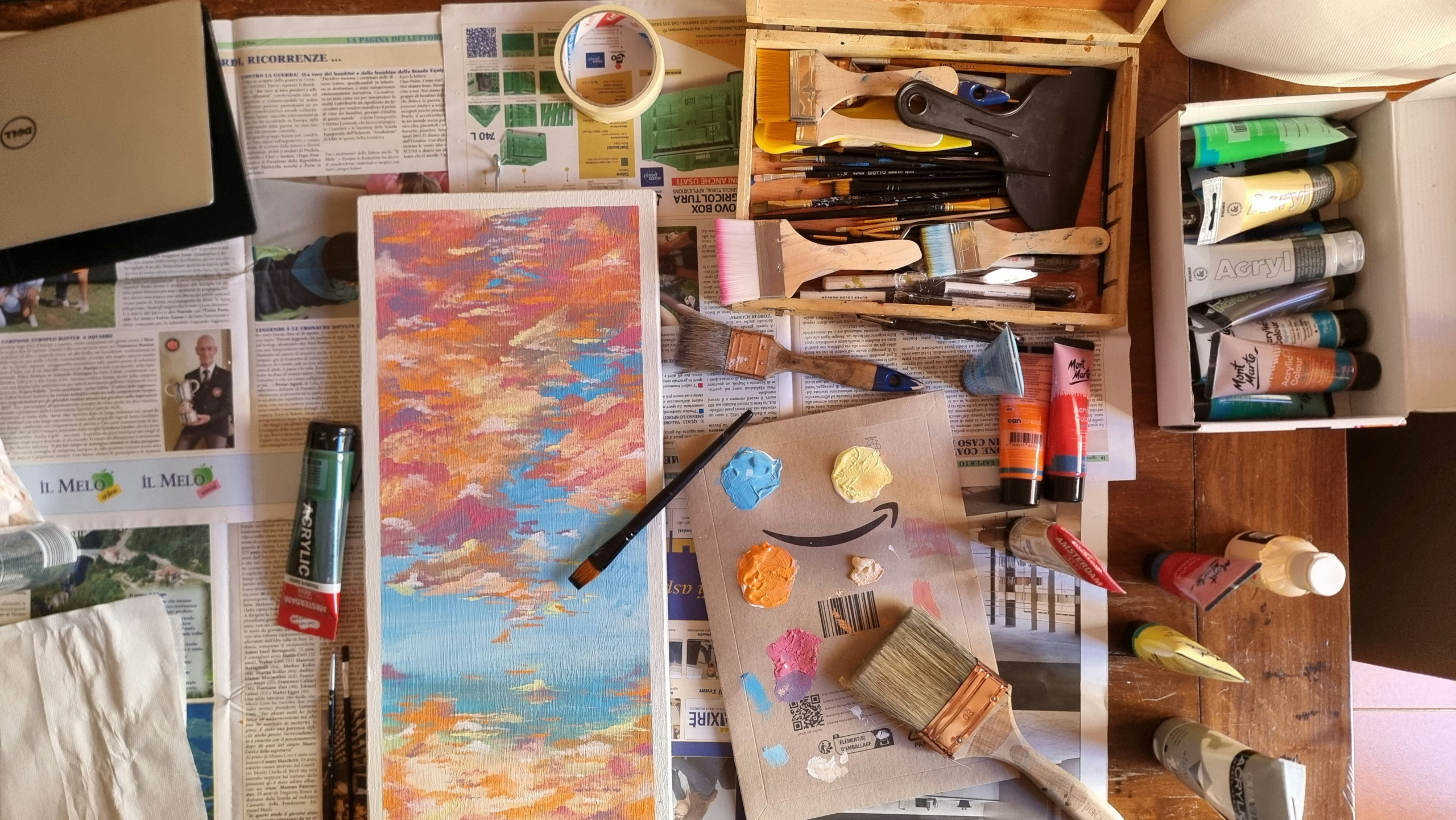
This complete MFA application guide for international students covers every stage of the US art school application process — from building your portfolio to securing a student visa. Applying to an MFA program in the United States involves more moving parts than most applicants expect: a portfolio, a statement of purpose, recommendation letters, an interview, and a financial plan for tuition costs that can exceed $100,000 over two years. Use this complete MFA application guide as your starting point, and follow the links in each section for detailed guidance on every part of the process.
Complete MFA Application Guide — All Resources
Portfolio
- What to Prepare First for MFA Applications
- How to Organize an MFA Portfolio
- MFA Portfolio vs Residency Portfolio
- Why Strong MFA Portfolios Get Rejected
- Common Mistakes in MFA Applications
- Best Portfolio Platforms for Artists
Artist Statement & SOP
Recommendation Letters
Interviews
Funding & Tuition
- How Much Does an MFA Cost in 2026?
- MFA Scholarships in the US
- How International Students Pay for US Graduate School
International Student Preparation
Choosing the Right Program
1. Portfolio — The Most Important Part of Your Complete MFA Application
Your portfolio is the first and most decisive element of any complete MFA application. Admissions committees spend more time on portfolios than on any other part of the application, and a portfolio that lacks direction or coherence will not be saved by a strong statement of purpose. Before you begin selecting works, it is worth understanding what reviewers are actually looking for — which is not technical accomplishment, but a clear sense of where your practice is heading.
The two most common portfolio mistakes are submitting only one body of work without demonstrating intellectual range, and opening with weak or exploratory pieces instead of your strongest work. See the Portfolio section of the resource list above for detailed guides on every aspect of MFA portfolio preparation.
2. Artist Statement and SOP — Writing That Works
Most MFA programs require both an Artist Statement and a Statement of Purpose. These are not the same document, and treating them as interchangeable is one of the most consistent mistakes in competitive applications. An Artist Statement describes your practice as a whole — who you are as an artist and what your work is about. A Statement of Purpose explains why you are applying to this specific program and what you hope to develop there.
Writing an SOP in English is one of the most challenging parts of this complete MFA application guide for international students whose first language is not English. AI tools like ChatGPT and Claude can help — but only when used correctly, as a writing aid rather than a replacement for your own voice. See the Artist Statement & SOP section above for full guides on both documents.
3. Recommendation Letters — Who to Ask and How
Most MFA programs require two to three recommendation letters. The most common mistake is asking the wrong people — choosing recommenders based on prestige rather than on their direct knowledge of your practice. A letter from a well-known artist who has never seen your work in person will carry far less weight than a letter from a lesser-known professor who has worked closely with you over an extended period.

Give your recommenders at least a month’s notice, provide them with your current portfolio and a draft of your SOP, and be direct about what would be most helpful for the committee to hear. See the Recommendation Letters section above for a full guide to choosing recommenders and making the request well.
4. The MFA Interview — What to Expect and How to Prepare
Not every MFA program conducts interviews, but many competitive ones do — particularly at the finalist stage. This complete MFA application guide recommends preparing for interviews at least two weeks before the scheduled date. Most interviews are conducted over Zoom, run between 20 and 30 minutes, and involve one to three faculty members. The most important thing to know is that the interview is not a test. It is a conversation. The committee wants to verify that the artist they saw in your portfolio and SOP is real — that you think seriously about your work and can talk about it clearly and specifically.
The most common interview mistakes are being unable to speak fluently about specific works in your portfolio, not knowing the faculty well enough to answer questions about the program, and giving scripted answers that fall apart when follow-up questions go in an unexpected direction. See the Interviews section above for a complete guide to the most common MFA interview questions and how to answer them.
5. Funding and Tuition — Understanding the Real Cost
In this complete MFA application guide, understanding tuition costs is essential — MFA programs typically run between $45,000 and $65,000 per year. Over a two-year program, total costs — including living expenses — can exceed $150,000. Understanding the full financial picture before you apply is essential, both for deciding which programs to apply to and for making a realistic plan for how to cover the costs.
For international students, the Fulbright Foreign Student Program is one of the most significant sources of funding available, covering tuition, living expenses, and in many cases health insurance for the duration of the program. Competition is high, but for artists with a strong application, it is worth serious consideration. Beyond Fulbright, most MFA programs offer merit-based scholarships and teaching assistantship positions that are open to international applicants. See the Funding & Tuition section above for detailed guides on costs and scholarships.
6. International Student Preparation — Visas and Logistics
For artists applying from outside the United States, the complete MFA application process involves additional steps beyond the academic requirements. The F-1 student visa is the standard visa category for international students at US universities and art schools. The process involves receiving an I-20 form from your program, paying the SEVIS fee, completing the DS-160 application, and attending a visa interview at a US embassy or consulate. For official and up-to-date information on the F-1 visa process, refer to the US Department of State student visa page.
Delays or mistakes in the visa process can affect your ability to enroll on time, so understanding the timeline and requirements well in advance is essential. Most programs recommend beginning the visa application process as soon as you receive your offer of admission. See the International Student Preparation section above for a full guide to the F-1 visa process for art school applicants.
7. Choosing the Right Program
Before you build your complete MFA application, you need to know which programs you are applying to — and why. Applying to a program without understanding its culture, faculty, and critical emphasis is one of the most consistent mistakes applicants make. Submitting the same portfolio and SOP to every school, without tailoring either to the specific program, signals to every committee that you have not done the research.
Most advisors recommend applying to between 6 and 12 programs — a mix of reach, target, and safety schools. Research the faculty, look at recent graduates’ work, and understand what each program emphasizes before finalizing your list. According to Artsy’s guide to MFA admissions, the most competitive applicants are those who have done genuine research into the specific programs they are applying to. See the Choosing the Right Program section above for comparison guides.
Frequently Asked Questions — Complete MFA Application Guide
When should I start using this complete MFA application guide?
Most MFA programs have deadlines in December or January for fall enrollment. Ideally, you should begin preparing your portfolio and researching programs at least 12 months before your target deadline — and begin reaching out to recommenders at least 6 months in advance. Rushing any part of the process, particularly the portfolio and the SOP, is one of the most common reasons otherwise strong applications fall short.
How many MFA programs should I apply to?
Most advisors recommend applying to between 6 and 12 programs — a mix of reach, target, and safety schools. Applying to fewer than 5 programs significantly increases the risk of not getting in anywhere in a given cycle. Applying to more than 12 programs is rarely cost-effective and can compromise the quality of individual applications if each one is not properly tailored.
What is the most important part of a complete MFA application?
The portfolio is consistently cited as the most important element by admissions committees. A strong portfolio with a clear direction will carry more weight than a perfect SOP paired with a weak or unfocused body of work. That said, every part of the application contributes — a generic SOP, a weak recommendation letter, or a poor interview performance can all undermine a strong portfolio at the finalist stage.
Can international students get scholarships for MFA programs?
Yes. Most MFA programs offer merit-based scholarships open to international applicants, and teaching assistantship positions are also available at many schools. The Fulbright Foreign Student Program is the most comprehensive funding option for international students, covering tuition and living costs. See the Funding & Tuition section of this guide for more information.
Do I need to visit programs before applying?
Visiting in person is not required, but it can be valuable — particularly for understanding the culture and physical environment of a program before committing to two years there. Many programs offer virtual open days or information sessions that serve a similar purpose. At minimum, research the faculty thoroughly, look at recent graduates’ work, and understand what each program emphasizes before finalizing your list.